
For an article It’s Too Cold! It’s Too Hot! — Thermostat Wars in the Workplace, I consulted with the facility manager of a large corporation to fact-check some of what I had written about thermal comfort.
I mentioned that with winter approaching and the complaints growing louder, it can be difficult to please everyone.
His response was essentially:
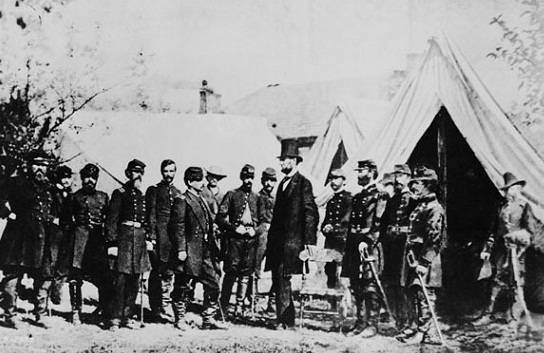
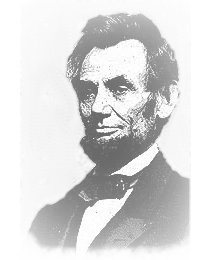
“More like impossible. You can quote Abe Lincoln on that.”
So I did.
The reference, of course, was to the familiar observation about pleasing some of the people some of the time, but not all of the people all of the time.
Several facility managers responded because they recognized themselves in it.
And that got me wondering—admittedly, I’m not sure why—
What if Abe Lincoln were a facility manager?
I came up with a long list of attributes Lincoln might have brought to the job.
Looking at it again, I think I made it more complicated than it needed to be.
Three would have been enough.
Understand Who You’re Serving
Facilities management can easily be viewed as the administration of buildings, systems, vendors and service requests.
It isn’t. Ultimately, you’re supporting the people and organization occupying the building.
That distinction matters.
A mechanical system can be operating within its design parameters while the occupants are miserable. A maintenance program can look efficient on paper while interfering with the business. A technically correct solution can still be the wrong operational solution.
The job isn’t simply to keep the building running.
It’s to understand what the organization needs from the building.
That’s a lesson that stayed with me as my career moved from facilities and operations into increasingly complex capital programs.
The building is rarely the objective. What happens inside it is.
Communicate When Everyone Can’t Get What They Want
This was the connection that started the original article.
Thermostat complaints are a wonderfully simple example because almost everyone has experienced them.
One person is freezing. Someone twenty feet away is too warm. Both expect the facility manager to fix it.
There may be no answer that makes both of them happy.
Facilities leaders encounter larger versions of the same problem constantly.
Operations wants uninterrupted access. Finance wants lower costs. Employees want comfort. Security wants control. Management wants flexibility. Building ownership has its requirements. Codes and regulations impose others.
Those interests don’t always align. The facility manager often sits in the middle.
That’s why communication is not a soft skill added to technical competence.
It is part of the technical job.
You have to understand the competing requirements, explain the tradeoffs and help people understand why a decision that doesn’t give them everything they wanted may still be the right decision for the organization.
Lead People, Not Just the Building
This is probably the biggest thing I would emphasize differently today.
Buildings don’t operate themselves. Neither do projects.
There are engineers, technicians, contractors, vendors, consultants, occupants, executives and countless others whose decisions affect the result.
Knowing how a system works is important.
Knowing how to get people with different responsibilities, priorities and expertise working toward the same objective is something else entirely.
The further I progressed in my own career, the more obvious that became.
Whether I was responsible for facilities, broadcast operations, construction or capital projects, the technical issues changed.
The leadership problem was remarkably consistent.
Someone had to understand the objective, ask the right questions, establish expectations, make decisions and keep people moving in the same direction.
So, Would Lincoln Have Made a Good Facility Manager?
I have no idea.
I’m even less inclined to try to prove it with a list of Lincoln quotations.
But the slightly ridiculous question that prompted the article still makes a useful point.
Facilities management has always required far more than understanding buildings.
It requires judgment.
It requires communication.
It requires understanding the people you’re serving.
And it requires leadership when different people want different things from the same building.
Maybe that’s why the Lincoln joke resonated with facility managers in the first place.
You really can’t please all of the people all of the time.
But you still have to lead them.
About the Author: Richard Neuman advises organizations on capital planning, project governance, and complex capital programs. He has overseen more than $2 billion in capital investments across commercial real estate, healthcare, utilities, industrial, broadcast, and development projects.
He writes candidly from an owner-side perspective about the executive decisions and organizational dynamics that shape capital project outcomes.
Leading a major capital program or facing a complex capital decision?
Contact Richard.
Subscribe for insights on capital planning, project governance, and the executive decisions that shape project outcomes long before construction begins.



a realistic, fair and honest one at that!