

The architect is designing it. The contractor is building it. Someone inside the company is attending the meetings. That still doesn’t answer the question.
Construction projects are risky, costly and time-consuming. As they become more complex, owners assemble teams of architects, engineers, contractors, consultants and vendors to deliver them.
Then I ask a simple question:
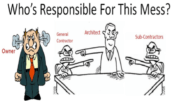
Who is actually leading the construction project for the owner?
The answer is sometimes surprisingly unclear.
The architect may be coordinating the design team. The contractor may be coordinating construction. A facilities executive, real estate leader or other internal employee may be attending meetings and making decisions.
All of those roles are important, but none automatically means someone is managing the project from the owner’s perspective.
Someone Has to See the Whole Project
A construction project does not happen in neat professional silos.
A design decision can affect cost. A procurement decision can affect schedule. A technology requirement can affect electrical infrastructure. A landlord decision can affect construction. A delayed executive approval can affect all of them.
Each consultant naturally sees the project through the responsibilities they were hired to perform.
The owner needs someone looking across the entire project.
That means understanding how the design, budget, schedule, construction, procurement, technology, furniture, operations and business requirements fit together—and recognizing when a decision in one area creates a problem somewhere else.
Attending the Meetings Isn’t the Same as Leading the Project
Organizations often assign an internal employee to oversee a project, and sometimes that works very well.
The question is whether that person has the experience, authority, capacity and organizational position to actually lead it.
If managing the construction project is an additional responsibility layered onto someone’s existing job, the project may be competing with the responsibilities that person is already expected to perform.
There is another issue.
Being the company’s representative at a project meeting is different from directing the project team on the company’s behalf.
Someone has to establish priorities, challenge assumptions, reconcile conflicting recommendations, drive decisions and keep the team aligned with what the owner is trying to accomplish.
The Architect and Contractor Have Different Jobs
A good architect and a good contractor can provide tremendous leadership within their respective responsibilities.
But they were not retained to replace the owner.
The architect is responsible for the design and the contractor for construction. Other consultants have similarly defined scopes.
There will inevitably be decisions that cross those boundaries.
- Who determines whether a proposed design change makes business sense for the owner?
- Who challenges a cost recommendation when the least expensive answer may create an operational problem?
- Who makes sure technology, furniture, security and move requirements are being coordinated with construction?
- Who recognizes that an unresolved decision buried in a meeting minute is about to become a schedule problem?
Those are owner-side questions.
Cost and Schedule Need an Owner’s Perspective
Every project has a budget and schedule. That does not mean the owner has control of either.
A construction schedule can show hundreds of activities and still fail to identify the executive decision that must be made next week to keep procurement moving.
A cost report can show the current forecast and still fail to explain which unresolved decisions could materially change it.
The owner needs more than reports.
The owner needs someone interpreting what those reports mean, identifying where exposure is developing and bringing decisions forward while there are still useful options.
The Owner’s Representative Is Not Another Layer
This is where the owner’s representative or owner-side project leader should add value.
The role is not simply to relay information between the owner and the project team.
It is to represent the owner’s interests across the project.
That can mean challenging the team when something doesn’t make sense, making sure responsibilities do not fall between consultants, forcing unresolved issues into decisions, and giving leadership a clear view of cost, schedule, risk and alternatives.
It also means knowing when not to interfere.
Good consultants should be allowed to perform the work they were retained to do. Owner-side leadership should make those disciplines work together toward the owner’s objective, not duplicate them.
Before You Decide You Don’t Need One
Not every construction project requires a dedicated owner’s representative.
A smaller or straightforward project may be effectively led by an experienced internal team.
But the decision should be deliberate.
Ask:
- Who has responsibility for the project as a whole?
- Does that person have the experience and time to lead it?
- Do they have the authority to drive decisions across the organization and project team?
- Who is independently looking at cost, schedule and risk from the owner’s perspective?
- When the architect, contractor and owner have different priorities, who is representing the owner’s position?
If those questions have clear answers, the leadership structure may be fine.
If they don’t, the project may have plenty of management without anyone actually leading it for the owner.
Leadership Takeaway: Before deciding whether you need an owner’s representative or project manager, identify who already owns the project from the owner’s side. If nobody has clear responsibility, authority and capacity to integrate the entire effort, that is the gap that needs to be filled.
About the Author: Richard Neuman advises organizations on capital planning, project governance, and complex capital programs. He has overseen more than $2 billion in capital investments across commercial real estate, healthcare, utilities, industrial, broadcast, and development projects.
He writes candidly from an owner-side perspective about the executive decisions and organizational dynamics that shape capital project outcomes.
Leading a major capital program or facing a complex capital decision?
Contact Richard.
Subscribe for insights on capital planning, project governance, and the executive decisions that shape project outcomes long before construction begins.



Great information and PLAN.. forwarded this to our clients end users and construction company staff we work with.
John, thank you so much for the feedback. I am so glad this information was helpful to your colleagues.
Best-
Richard Neuman