Before you buy the property, understand what may be in the ground—and what liability may come with it.
Originally published September 2011. Updated October 2026 to reflect current environmental due-diligence terminology.
Businesses and lending institutions often require a Phase I Environmental Site Assessment (ESA) before a commercial property acquisition, development or financing.
There’s a good reason.
When you purchase real estate, you’re not only buying the building and land. You may also be acquiring environmental conditions created by someone who owned or operated the property long before you arrived.
A Phase I ESA is intended to evaluate the property’s environmental history and identify conditions that may indicate releases or threatened releases of hazardous substances or petroleum products.
For certain purchasers, properly conducting environmental due diligence before acquisition can also be important to establishing federal liability protections under CERCLA. US EPA
Phase I — Start With the Property’s History
A Phase I generally involves records research, review of historical property uses, site reconnaissance and other inquiries performed under the direction of an environmental professional.
The objective isn’t to start drilling holes and collecting soil samples.
It’s to understand what happened on and around the property and whether those findings indicate environmental concerns that warrant further investigation.
That may include looking at historical operations, storage tanks, spills, waste handling, regulatory records and uses of surrounding properties.
Phase II — When You Need to Know More
If the Phase I identifies conditions that warrant additional investigation, a Phase II ESA may follow.
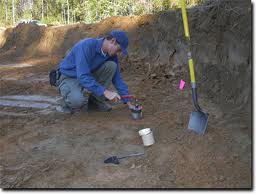
That’s when the investigation can move from records and observation to physical sampling and analysis of soil, groundwater, surface water or other environmental media, depending on the conditions being investigated. EPA describes Phase II investigation as a means of better understanding the type and extent of potential releases identified through the due-diligence process. US EPA
A Phase II isn’t automatically required after every Phase I.
The findings drive the next step.
What About Phase III?
When I originally wrote this article, I described remediation as a Phase III Environmental Site Assessment.
I wouldn’t use that terminology so broadly today.
If investigation confirms contamination, the next steps depend on what was found, applicable regulatory programs, the intended use of the property and the remediation strategy.
That can involve additional investigation, cleanup planning, regulatory approvals, remediation, monitoring or other actions.
The important point for an owner isn’t whether someone calls it “Phase III.”
It’s what was found, what has to be done about it, who is responsible, and what it means for the transaction or development.
Environmental Due Diligence Is Transaction Due Diligence
An environmental issue can affect far more than cleanup cost.
It can affect financing, insurance, purchase agreements, development plans, approvals, schedule and ultimately whether the transaction still makes sense.
That’s why I wouldn’t treat the environmental report as simply another item on the lender’s checklist.
Before closing on a property, I want to understand what the environmental professional found—and what those findings could mean after the buyer owns it.




Be the first to comment on "Why Banks Require Environmental Site Assessments When Purchasing Commercial Property"