
When Moving Leased Office Equipment, Check Before the Mover Touches It

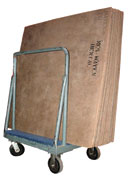
Office equipment packed for relocation

The equipment may be sitting in your office. That doesn’t necessarily mean your mover is allowed to move it.

Office relocations involve more than packing furniture, computers and boxes.

Some of the equipment in the office may be leased, financed or covered by a vendor service agreement. Before the mover disconnects or relocates it, find out what those agreements require.

Copiers, multifunction devices, specialized equipment and other vendor-maintained systems may have specific requirements for disconnecting, transporting, reinstalling or recommissioning the equipment.

The question should be asked early:

“Who is actually authorized to move this?”

Check the Agreement Before Move Day

Review the lease, rental or service agreement for equipment that will be relocated.

Confirm:

  • Whether the equipment can be moved by your relocation contractor
  • Whether the vendor must disconnect or prepare it
  • Who is permitted to transport it
  • Whether the vendor must reinstall or recommission it
  • Whether moving it improperly could affect warranty or service coverage
  • What notice the vendor requires
  • Whether relocation charges apply

Do this while the move is being planned.

Discovering on move weekend that the mover cannot touch a critical piece of equipment creates a problem that could have been resolved weeks earlier.

Coordinate the New Location

Moving the equipment is only part of the assignment.

Confirm that the destination is ready for it. That may include power, data connections, clearances, environmental requirements or other infrastructure needed for the equipment to operate.

Also determine who will test it after installation and confirm that it is back in service.

Put the Responsibility on the Move Plan

Leased and vendor-maintained equipment should appear on the relocation responsibility matrix along with furniture, technology, security and other move activities.

For each item, identify who will:

Disconnect → Move → Reinstall → Test

That simple sequence can expose responsibility gaps before move day.

Leadership Takeaway: Before the relocation contractor touches leased or vendor-maintained equipment, confirm who is authorized to move it and what is required to put it back into service.


About the Author: Richard Neuman advises organizations on capital planning, project governance, and complex capital programs. He has overseen more than $2 billion in capital investments across commercial real estate, healthcare, utilities, industrial, broadcast, and development projects.

He writes candidly from an owner-side perspective about the executive decisions and organizational dynamics that shape capital project outcomes.

Leading a major capital program or facing a complex capital decision? Contact Richard.

Subscribe for insights on capital planning, project governance, and the executive decisions that shape project outcomes long before construction begins.


Be the first to comment on "When Moving Leased Office Equipment, Check Before the Mover Touches It"

Leave a comment

Your email address will not be published.


*

Found this article useful? Share it with a colleague.