
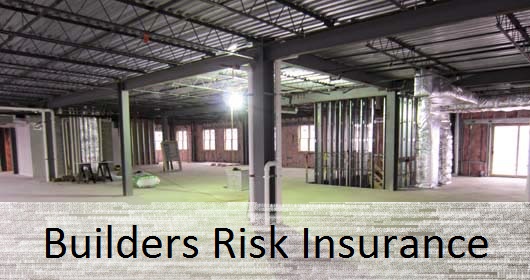
Construction can create exposures that ordinary property coverage may not address. The question is not only whether builder’s risk coverage exists, but who is insured and whose financial interest is being protected.
By Jim Doran, Guest Columnist
Insurance requirements can become complicated during a tenant improvement or other construction project. A lease may require general liability, property, umbrella or excess coverage, but construction can introduce risks that require separate consideration.
One of those is builder’s risk insurance.
Builder’s risk is a form of property insurance designed to protect property during construction. Depending on the policy, coverage may apply to work in place, materials at the construction site, and sometimes materials stored off-site or in transit.
The important point is that construction changes the property’s risk profile. Fire, wind, theft, water damage and other losses can occur while work is underway. Exactly which causes of loss are covered—and which are excluded—depends on the specific policy and endorsements.
That makes builder’s risk something that should be addressed before construction begins, not after a loss occurs.
Who Should Carry the Builder’s Risk Policy?
This is where the issue becomes more complicated.
Depending on the project and contractual structure, responsibility for obtaining builder’s risk coverage might fall to the property owner, tenant, general contractor or another party.
But asking only “Who is buying the policy?” misses an important question:
Who actually has a financial interest in the property being constructed?
A tenant investing substantial money in a build-out has a financial interest in that work. A building owner may have an interest in improvements being incorporated into the property. Contractors and subcontractors may also have interests that need to be addressed.
The insurance structure should reflect those interests and the contractual allocation of risk.
Consider What Happens When There Is a Loss
Assume a tenant is constructing a new retail location and a fire causes $250,000 of damage to completed improvements and materials.
At that point, several questions immediately matter:
- Who purchased the builder’s risk policy?
- Who is identified as a named insured or additional insured where applicable?
- Who has an insurable interest in the damaged property?
- Is there a loss payee?
- What does the construction contract require?
- What does the lease require?
- How does the policy address payment of a covered claim?
Those are not questions an owner or tenant wants to discover for the first time after a major loss.
The policy, lease and construction contracts should work together so that the parties understand what is covered, whose interests are protected and how a claim will be handled.
Coverage Should Begin Before the Exposure Does
Builder’s risk requirements should be resolved before materials arrive on site and before construction activity begins.
Coverage generally needs to remain in place through the applicable construction period, with the parties understanding when coverage terminates and when permanent property coverage becomes responsible.
The appropriate limits, deductibles, covered property, exclusions, endorsements and duration will depend on the project and policy.
Builder’s Risk Is Part of the Project Risk Strategy
Builder’s risk should not be treated simply as another certificate of insurance to collect before construction.
For an owner or tenant, the larger questions are:
What property is at risk? Who has the financial exposure? What does the contract require? And does the insurance program actually protect those interests if something goes wrong?
Those questions should be resolved before construction starts.
About the Guest Author
Jim Doran originally contributed this article to The Owner’s Rep in June 2015 from his perspective as an insurance professional.
Editor’s note: This article has been updated for clarity and to remove time-sensitive insurance pricing information while preserving the guest author’s original discussion of builder’s risk and insurable interest. Insurance requirements, terminology and coverage vary by policy, carrier, contract, jurisdiction and project. Owners, tenants and contractors should confirm current requirements and coverage with qualified insurance and legal advisers.
The information presented is for general risk-management and educational purposes and is not legal or insurance advice.
About the Author: Richard Neuman advises organizations on capital planning, project governance, and complex capital programs. He has overseen more than $2 billion in capital investments across commercial real estate, healthcare, utilities, industrial, broadcast, and development projects.
He writes candidly from an owner-side perspective about the executive decisions and organizational dynamics that shape capital project outcomes.
Leading a major capital program or facing a complex capital decision?
Contact Richard.
Subscribe for insights on capital planning, project governance, and the executive decisions that shape project outcomes long before construction begins.


Be the first to comment on "Tenant Builders Risk Insurance – Who is really at risk?"