A fire inspection should confirm that required safeguards are in place. A simple walk-through beforehand can uncover problems that should already have been addressed.
Originally published August 2011. Updated October 2026 to remove outdated prescriptive requirements and reflect current pre-inspection planning.
A fire or life-safety inspection should not be the first time someone notices a blocked exit, missing sign, obstructed sprinkler or damaged electrical condition.
Before an inspection, walk the space with the facility team and look for readily visible conditions that may need attention.
The objective is straightforward:
Is the office being operated the way its fire and life-safety systems were intended to operate?
This checklist is a starting point. Applicable requirements depend on the building, occupancy, fire-protection systems and local authority having jurisdiction.
Exits and Egress
Check that:
- Exit routes and doors are unobstructed.
- Exit and directional signs are visible and appear to be functioning.
- Emergency lighting is operational.
- Doors required for egress are readily usable.
- Furniture, storage and equipment have not narrowed or blocked required paths.
- Nothing has been added that interferes with fire or smoke doors.
Conditions often change gradually as an office is occupied. A corridor that was clear at turnover can become a convenient place for boxes, equipment or temporary storage.
Sprinklers and Fire-Protection Equipment
Look for obvious conditions that could interfere with fire-protection systems.
Check that:
- Storage does not obstruct sprinkler discharge.
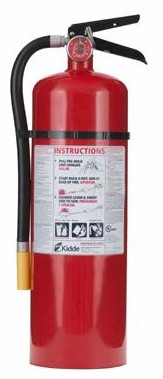
- Fire extinguishers remain visible and accessible.
- Fire alarm devices have not been covered, blocked or damaged.
- Fire-protection equipment and control areas remain accessible.
- Required inspection and service activities are current.
Do not assume a clearance dimension applies universally. Sprinkler configuration and applicable requirements matter. If storage appears too close to sprinklers or other fire-protection equipment, have the condition reviewed by the appropriate fire-protection professional or authority.
Electrical Conditions
Look for conditions such as:
- Damaged electrical equipment or cords.
- Improper use of extension cords or adapters.
- Electrical panels or equipment that have become obstructed by storage.
- Missing covers or visibly damaged outlets and devices.
- Temporary electrical arrangements that have gradually become permanent.
An office inspection is a good opportunity to find the workarounds that accumulated after the original build-out.
Storage and Housekeeping
Storage rooms, utility areas and back-of-house spaces deserve particular attention.
Check for:
- Materials stored in exit routes.
- Excessive accumulation of combustible material.
- Storage that interferes with building equipment.
- Improper storage of flammable or other regulated materials.
- Conditions that restrict access to fire-protection or electrical equipment.
The office may have been compliant when it opened. How the space is being used today is what matters during the walk-through.
Documentation and Responsibilities
Confirm that required inspections, testing and maintenance have been performed for the systems under the tenant’s or owner’s responsibility.
Also understand which responsibilities belong to building management and which belong to the occupant.
If something is unclear, resolve that responsibility before inspection day rather than assuming someone else is handling it.
Leadership Takeaway: Fire and life-safety conditions change as people occupy and use a space. A pre-inspection walk-through helps identify operational problems early and gives the responsible party time to correct them before they become inspection findings.


My cousin is getting his business ready for a fire inspection and wants to make sure everything is in place before then. I really like that you mention having testing and maintenance files on hand and easily accessible. Having the proper paperwork ready is just as important as having your office in the right physical condition. I’ll be sure to pass these helpful tips onto him. Thanks for the help!