
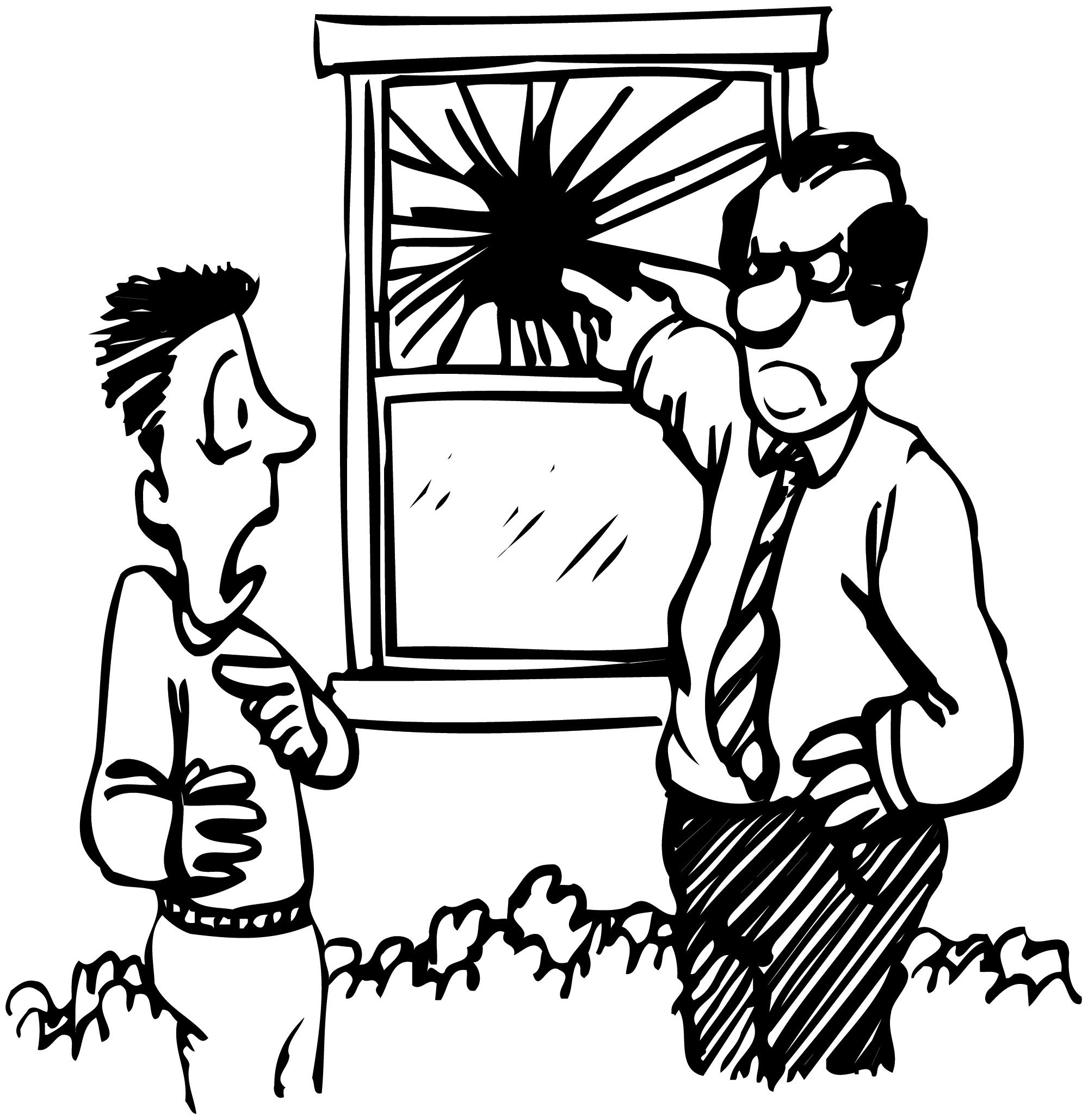
If an existing condition isn’t documented before construction starts, proving who caused the damage later can become difficult—and expensive.
A landlord once sent my general contractor a post-construction email concerning ten windows in a tenant space:
“Please be informed that we are going to repair the (10) windows that were damaged during construction. All repair costs are going to be passed on to the tenant.”
This was after completion of a roughly 52,000-square-foot tenant build-out in a prominent New York City high-rise.
The contractor’s response was immediate:
They hadn’t damaged the windows.
The problem was proving it.
We Had Inspected the Windows
At the beginning of the project, the general contractor performed a physical inspection of approximately 140 windows.
The contractor maintained that the windows the landlord later identified had already been damaged.
That should have settled the issue, but it didn’t.
An inspection is useful only to the extent that you can later demonstrate what the inspection found.
There wasn’t enough documentation to establish the condition of those particular windows before construction began. Our construction-progress photographs didn’t happen to show the damage either.
We had an existing-condition dispute without sufficient existing-condition evidence.
The Window Wasn’t Really the Problem
This happened to involve windows, but the same argument can occur almost anywhere in an existing building.
- A damaged door.
- A cracked stone panel.
- Scratched elevator finishes.
- A stained carpet.
- A damaged ceiling.
- A dented wall panel.
- A plumbing fixture that doesn’t work.
- A piece of equipment that fails.
Once construction begins, distinguishing pre-existing damage from construction damage becomes much harder.
And the longer the project continues, the harder it may be to reconstruct what the condition looked like on day one.
The question becomes:
Can we demonstrate what existed before we took control of the space?
Don’t Rely on Someone Remembering
A superintendent may clearly remember that a window was already damaged.
The landlord’s building manager may remember it differently.
Neither recollection is as useful as a dated photograph and an existing-conditions log.
Before construction begins, I want the project team to document conditions that could later become disputed.
That doesn’t mean photographing every square inch of a building without purpose. It means thinking ahead about where responsibility could become ambiguous.
Pay particular attention to landlord property, common areas, elevators, corridors, loading areas, existing finishes, doors and hardware, windows, plumbing fixtures, equipment and anything else the contractor will work around or use during construction.
Photographs should be clear enough to identify the location and condition later. Significant defects should be logged rather than disappearing into hundreds of unidentified photographs.
If something warrants special attention, bring it to the landlord’s or building manager’s attention before construction starts.
Now there is a record.
The Lease and Construction Agreement Matter Too
Who ultimately pays for damage may depend on the lease, work letter, construction agreement, building rules and the facts surrounding the damage.
That’s another reason the owner shouldn’t treat the preconstruction survey as just a contractor exercise.
The project team should understand what property is being turned over, what condition it is supposed to be in, who is responsible for existing deficiencies and what obligations the tenant assumes once construction begins.
If the documents say the tenant is responsible for damage during construction, the owner needs a defensible record of what was damaged before construction.
A Few Minutes Before Construction Can Save an Argument Afterward
In our case, the client was protected because the issue was ultimately resolved between the general contractor and the landlord.
But it exposed a weakness in the process.
We had inspected the windows, but we couldn’t adequately prove what we had seen.
That distinction matters.
Today, taking and organizing hundreds of photographs is considerably easy. That makes the documentation problem less excusable, not less important.
Before demolition or construction begins, walk the space and the affected building areas with one question in mind:
What could someone later say we damaged?
Document those conditions while everyone can still agree on what existed.
Leadership Takeaway: A preconstruction existing-conditions survey isn’t simply a record of the building. It establishes the baseline for responsibility. If a condition could later become a cost dispute, document it before the work begins.
About the Author: Richard Neuman advises organizations on capital planning, project governance, and complex capital programs. He has overseen more than $2 billion in capital investments across commercial real estate, healthcare, utilities, industrial, broadcast, and development projects.
He writes candidly from an owner-side perspective about the executive decisions and organizational dynamics that shape capital project outcomes.
Leading a major capital program or facing a complex capital decision?
Contact Richard.
Subscribe for insights on capital planning, project governance, and the executive decisions that shape project outcomes long before construction begins.




I agree with theBrokerList. CYA is unfortunately more and more neccessary these days. I always walk through any building before I start a job and take pics with my phone. Haven’t needed them yet for CYA (knock on wood), but I have actually used them a couple times to refer back to for various things. Good reminder.
Richard, Yes, inspections, before, after and when appropriate are the best CYA you can have. Great point and concept in all cases to keep in mind.