
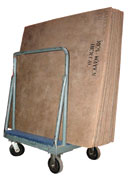
The equipment may look mundane, but having the right tools at the right time can determine whether move day runs smoothly or becomes a problem.
Planning your commercial move means your moving company will contain line items filled with unfamiliar terms like “conveyors,” “commercial bin” or “plastic tote.” To add to the difficulty, each moving company may use slightly different terminology.
You don’t need to become an expert in moving equipment. You do need to know that the mover has planned for what your particular relocation requires.
A commercial move can involve far more than boxes and hand trucks. Furniture may need to be disassembled and reassembled. Heavy equipment may require specialized handling. Finished floors, walls, doors and elevators may need protection at both locations. And everything arriving at the new space needs to get to the right destination.
Those requirements should be identified and included in the mover’s scope before move day—not discovered when the crew arrives.
The illustrations below show some of the tools and materials commonly used during a commercial office relocation.
Packing at Origin
Packing Tape | Legal Tote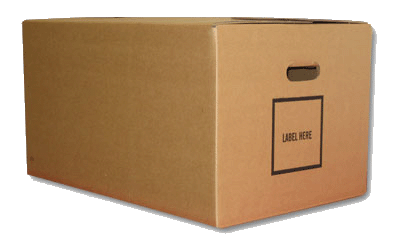 |
Plastic Crates | Keyboard Bag  |
Bubble Wrap | Paper Moving Pads |
Library Cart or Conveyor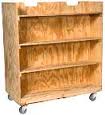 | Commercial Bin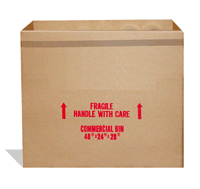 |
Blankets | Shrink Wrap |
Moving
Dolly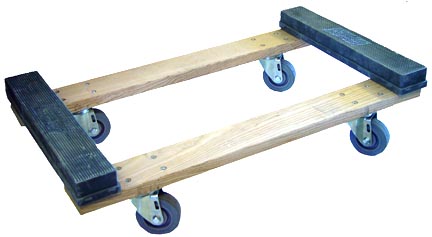 | Hand Truck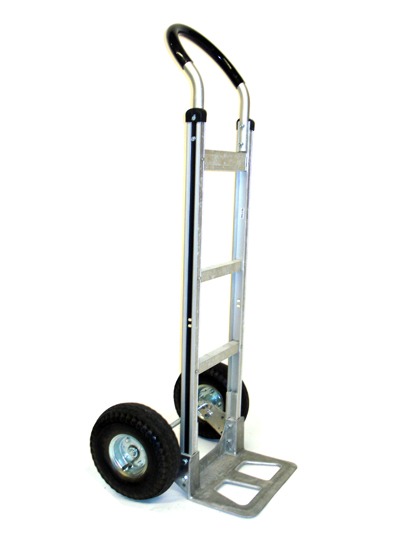 |
Roller Lift or Jack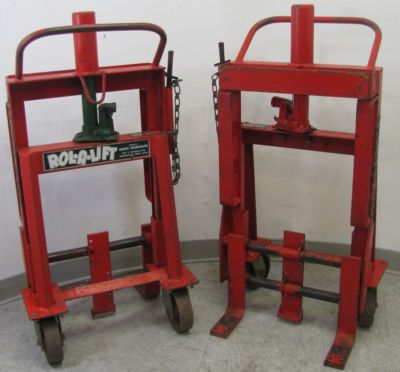 | Fork Lift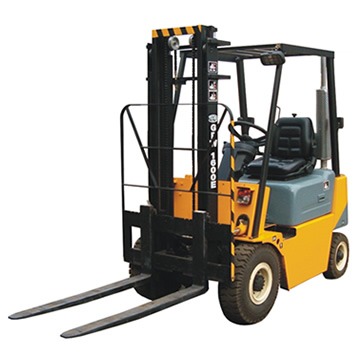 |
Pallett Jack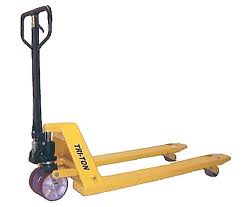 | Panel Cart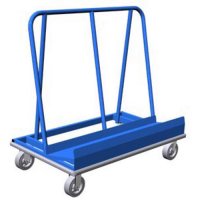 |
J-Bar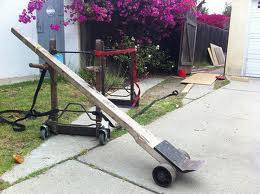 | Tool Bag |
Protection at Origin and Destination
| Masonite – Floor/Wall Protection  | Carpet Protection Film or Rolled Plastic  |
| Corner or Door Buck Protection  |
Placards and Labels
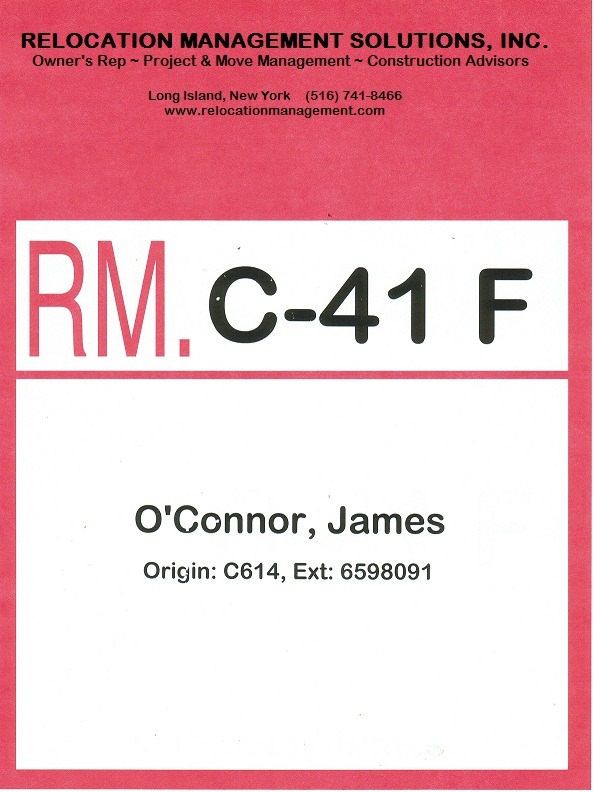 |
The Move Plan Includes the Equipment
A moving proposal isn’t only about labor and trucks. The equipment, protection materials, labeling system and handling requirements are part of the execution plan.
Before awarding the move, make sure the mover understands what is being relocated, the conditions at both buildings and any unusual handling requirements.
The objective is simple: move day should execute the plan—not become the day the plan is figured out.
About the Author: Richard Neuman advises organizations on capital planning, project governance, and complex capital programs. He has overseen more than $2 billion in capital investments across commercial real estate, healthcare, utilities, industrial, broadcast, and development projects.
He writes candidly from an owner-side perspective about the executive decisions and organizational dynamics that shape capital project outcomes.
Leading a major capital program or facing a complex capital decision?
Contact Richard.
Subscribe for insights on capital planning, project governance, and the executive decisions that shape project outcomes long before construction begins.




Be the first to comment on "Moving Your Office – “Tools” of the Trade"