
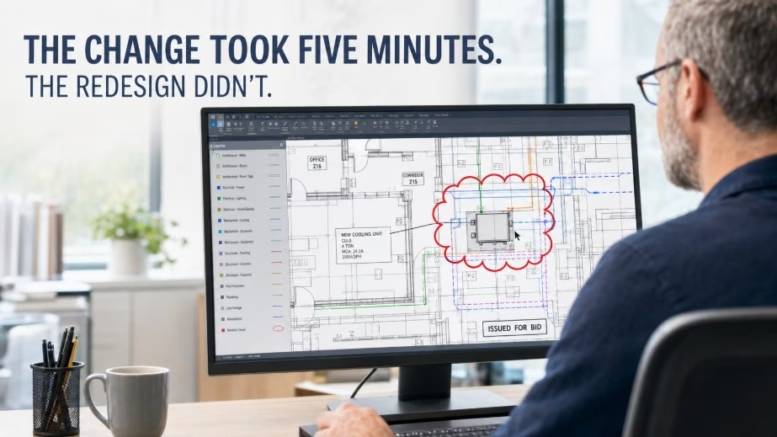
Before the owner pays for more design, the team has to determine whether the project changed or the original scope missed it.
“Pencils down.”
No more design fees. Finish the drawings and get them issued. The direction usually comes after design has run longer than expected, fees are still accumulating and the permit or bid date is getting uncomfortably close. Leadership wants a finish line.
Then someone asks for one more change—or at least that is how it is described.
A technology requirement surfaces late in the design. From the owner’s side of the table, it looks like another item to add to drawings that already show displays, speakers and controls. But those symbols may not include the power, cooling, pathways and connections the systems need. Mechanical and electrical work may have to be reopened, and equipment locations could affect the architectural layout or structural support.
The request takes a few minutes to make. No one has established how much design work it will create.
What One Change Reopens
A requirement may first appear on one architectural drawing, but incorporating it can reach several disciplines. MEP engineers revisit calculations, production teams revise documents that were nearing completion and the architect has to coordinate the changes across the drawing set.
Owners often do not see that chain. They see the item being added, not the architectural, engineering, drafting and project-management hours behind it.
Everyone is also watching the issue date, so the immediate direction is often to make the change now and work out the fee later. The drawings continue moving, and the hours begin accumulating.
Weeks later, the owner receives an additional-services request (change order) showing time across several disciplines. Leadership remembers approving one item and now has to understand why it generated so many hours. By then, much of the work may already have been performed.
This is where owner frustration starts. The consultants may have done legitimate additional work, but the owner was never shown how the original direction would travel through the design team before being asked to pay for it.
Was It Actually a Change?
Before discussing additional compensation, the team has to determine whether the project actually changed.
Sometimes leadership introduces a requirement that was never part of the original program. Sometimes the requirement was always part of the project but never made it through the design. There is also a third possibility: everyone assumed the work was included, but no consultant was assigned responsibility for producing it.
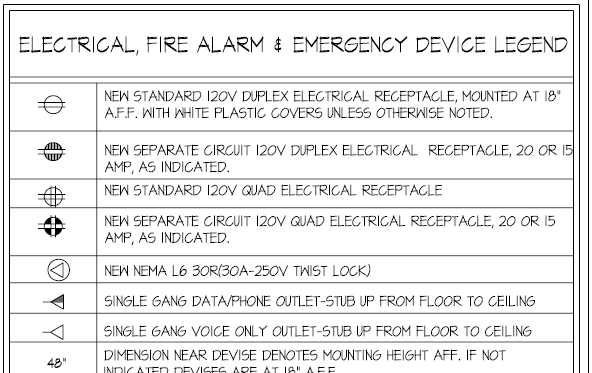
Technology is a common example. Displays, speakers and controls appear on the architectural plans, so the owner reasonably assumes the system has been designed. But symbols alone do not give the other disciplines the equipment loads, cooling needs, pathways or infrastructure required to coordinate and build it.
The architect may believe a specialty consultant was outside its scope. The owner may believe the architect was responsible for coordinating the complete system. The engineers may be waiting for information no one was contracted to provide.
Calling the resulting work a change order does not settle that disagreement. The project team has to return to what the project required, what each consultant agreed to provide and what leadership changed after the agreements were signed.
Design teams do not receive an open-ended mandate. A consultant who underestimated or omitted included work cannot simply repackage it as an additional service.
When the owner genuinely adds scope, however, the design lead should explain which disciplines will need to reopen their work and what additional effort is expected before the hours accumulate. If no one was assigned the original responsibility, the work still has to get done, but leadership should understand how the gap survived the scoping of the design team.
“Pencils down” does not erase work already performed or make newly requested work free. It also does not convert missing base-scope work into an additional service.
If the issue is not resolved before the drawings advance, it does not remain in design. It can return through permit comments, bid addenda and change orders in the field.
At the next “pencils down” conversation, leadership should ask:
Before we call this an additional service, are we adding something new—or finally designing something the project already required?
About the Author: Richard Neuman advises organizations on capital planning, project governance, and complex capital programs. He has overseen more than $2 billion in capital investments across commercial real estate, healthcare, utilities, industrial, broadcast, and development projects.
He writes candidly from an owner-side perspective about the executive decisions and organizational dynamics that shape capital project outcomes.
Leading a major capital program or facing a complex capital decision?
Contact Richard.
Subscribe for insights on capital planning, project governance, and the executive decisions that shape project outcomes long before construction begins.



Be the first to comment on "Pencils Down. But Just One More Change."