
Obsolete building systems rarely fail on the day the market moves on. The owner has to decide when continued operation stops making sense.
Updated October 2026
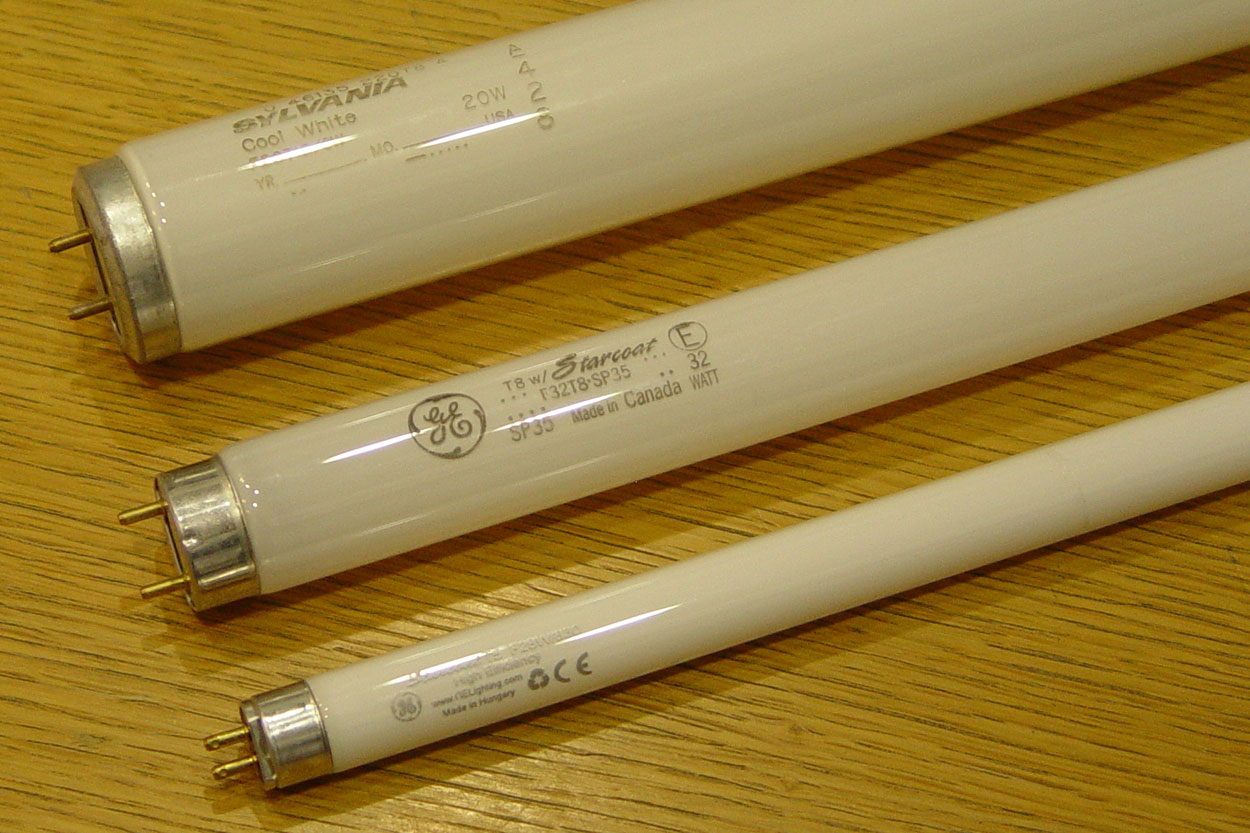
In 2012, I wrote about the phase-out of many traditional T12 fluorescent lamps.
At the time, the issue was immediate. Federal efficiency standards were changing the lighting market, replacement lamps were becoming less attractive, LEDs were emerging as a practical alternative, and owners were trying to determine when to make the switch.
Fourteen years later, the more interesting question is what happened next.
Many T12 systems did not suddenly stop working.
They just became old technology.
That distinction applies to far more than lighting.
When a building system still operates, how do you decide that it is time to stop investing in it?
Working and Worth Keeping Are Different Questions
A fluorescent fixture can continue producing light long after better alternatives become available.
That does not automatically make replacement the right decision. But continued operation should be a decision rather than the result of nobody questioning the status quo.
Look at what it takes to keep the system operating.
Are replacement lamps and ballasts readily available? Are maintenance calls increasing? Is staff spending more time locating parts? Are light levels and quality still appropriate? How much energy is the system consuming? Are spaces illuminated when nobody is using them?
The answer may be to leave the system alone for now.
Or those questions may reveal that the building is spending money maintaining something it already knows it will eventually replace.
Don’t Evaluate the Lamp by Itself
The original T12 discussion was largely about replacing an inefficient lamp with a more efficient one.
Today, an owner should look at the entire lighting system.
That includes:
- Fixtures
- Lamps or LED sources
- Drivers and ballasts
- Occupancy sensors
- Daylight controls
- Dimming
- Scheduling
- Emergency lighting requirements
- Light levels and distribution
- Color temperature and quality
- Integration with other building controls
A one-for-one replacement may reduce energy consumption and solve an immediate maintenance problem.
It may also preserve a lighting layout and control strategy designed for a workplace that no longer exists.
Before deciding what to install, ask what the space needs now.
Use the Project as an Opportunity to Reconsider the System
A reader commented on my original 2012 article that owners should consider adding daylight and occupancy controls while performing a lighting retrofit.
I agreed.
That advice has aged well.
If electricians, lifts and installers are already mobilized, ceilings are accessible and fixtures are being touched, there may be an opportunity to accomplish more than replacing obsolete components.
Ask:
If we’re going to touch the lighting, what should the building look like when we’re finished?
- Maybe the answer is a straightforward retrofit.
- Maybe certain areas need new fixtures while others can remain.
- Maybe occupancy sensors, scheduling or daylight-responsive controls make sense.
- Maybe the existing lighting levels are excessive for the current use.
- Maybe a planned renovation in two years means the owner should avoid making a large investment today.
The answer depends on the building and the capital plan.
Consider the Timing With Other Capital Work
Lighting rarely exists in isolation.
A ceiling replacement, office renovation, HVAC controls project, electrical upgrade or tenant improvement may create a better opportunity to address lighting than a standalone project.
Conversely, replacing an entire lighting system shortly before a major renovation could mean paying for work twice.
This is where the capital plan matters.
The question is not simply whether LED lighting is more efficient than an old fluorescent system. That answer is usually straightforward.
The harder question is when and how the owner should make the transition.
Look at the Full Business Case
Energy savings still matter, but they are only part of the decision.
Consider:
- Current energy consumption
- Maintenance frequency and cost
- Availability and cost of replacement components
- Labor required to maintain the existing system
- Remaining useful life
- Required light levels and quality
- Control opportunities
- Installation and disruption
- Planned renovations
- Available utility or government incentives
- Expected ownership or lease horizon
Incentive programs can improve the economics of a project, but programs vary by utility, jurisdiction, technology and time. They should be verified when the project is being evaluated rather than assumed in the budget.
The same applies to projected savings.
Use the building’s actual operating hours, energy rates, existing system and proposed design to develop the business case.
Know When You’re Maintaining the Past
There is nothing inherently wrong with operating older equipment that remains safe, reliable and economical.
The problem comes when an organization continues investing in an aging system because each individual repair appears cheaper than replacement.
One ballast here. A few lamps there. Another maintenance call next month.
Each decision can make sense by itself while the overall strategy stops making sense.
T12 lighting provides a useful example because the transition happened gradually. The old technology did not disappear overnight. Owners had time to decide when continued maintenance stopped being the best use of capital.
Buildings are full of similar decisions.
Controls, mechanical equipment, electrical systems, security technology and other infrastructure can all reach a point where “it still works” is no longer enough information to make the capital decision.
Leadership Takeaway: When an aging system still operates, ask what it costs to keep it viable, what the replacement would improve, and what other planned work should influence the timing. The right replacement decision comes from the building’s capital strategy, not from waiting for the old system to fail.
About the Author: Richard Neuman advises organizations on capital planning, project governance, and complex capital programs. He has overseen more than $2 billion in capital investments across commercial real estate, healthcare, utilities, industrial, broadcast, and development projects.
He writes candidly from an owner-side perspective about the executive decisions and organizational dynamics that shape capital project outcomes.
Leading a major capital program or facing a complex capital decision?
Contact Richard.
Subscribe for insights on capital planning, project governance, and the executive decisions that shape project outcomes long before construction begins.




1+ year after this was written, I came across this while researching “homeowner ROI” in replacing old, crappy T-12 twin-tube shop lites. The statement “The LED lights retrofit the standard T12 & U lamps are cost effective with an ROI of 1-3 yrs. on average” intrigues me – every other discussion I have come across on this point concludes that CFLs are the way to go, I think because of the large frontend cost of the LED units. Might the author share these calculations or refer me to a calculator that’s appropriate to this issue?
All great info. You might want to consider adding daylight and occupancy controls at the same time that you are doing a lighting retrofit….after all the contractor is already there and the additional cost is nominal.
It would make sense to include controls to the rebates. That would add greater incentive for the end user to upgrade.