Installing an AED is one decision. Making sure people can find it, reach it and know what to do when someone collapses is another.
Originally published February 2012. Updated October 2026 to reflect current workplace AED and emergency-response guidance.
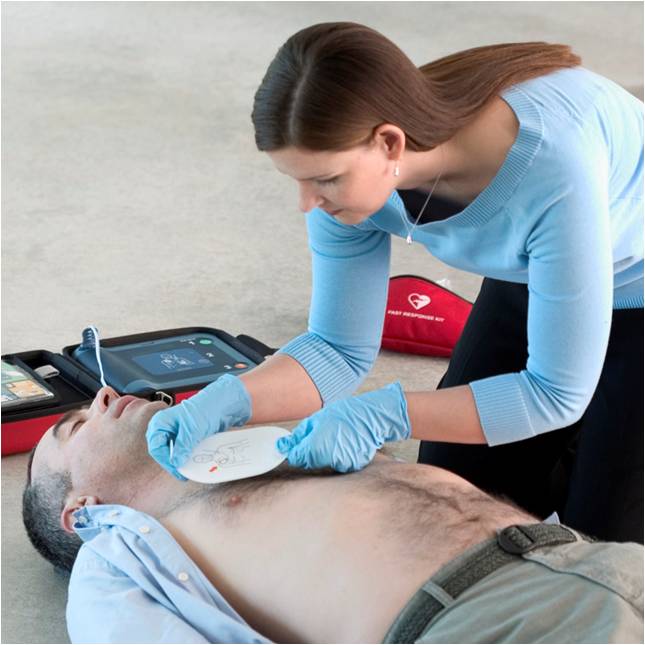
An automated external defibrillator can be lifesaving when someone suffers sudden cardiac arrest.
The American Heart Association estimates that approximately 10,000 cardiac arrests occur in U.S. workplaces each year. Immediate CPR and use of an AED can significantly improve the chance of survival. cpr.heart.org
That makes the decision to provide AEDs important.
It also raises an operational question that can be overlooked:
“If someone collapses tomorrow, does everyone know what happens next?”
Buying the device doesn’t answer that question.
Start With Response Time
An AED only helps if it can be reached quickly.
The American Heart Association’s workplace implementation guidance recommends placing AEDs strategically so that defibrillation can occur within approximately three to five minutes after collapse. www.heart.org
That means placement should be considered in the context of the actual facility.
A large office spread across several floors may need a different strategy than a small workplace. Security barriers, elevators, locked areas and long travel distances can all affect how quickly someone can retrieve a device.
Don’t simply ask:
“Where should we hang the AED?”
Ask:
“How long would it take someone to get it and bring it back?”
Make Sure People Can Find It
An AED that employees cannot locate quickly loses much of its value.
Its location should be visible and accessible, and employees should know where it is.
Emergency information and facility plans should identify AED locations where appropriate. OSHA’s current emergency-preparedness guidance specifically includes AEDs among the emergency equipment that may be shown on workplace evacuation diagrams. OSHA
That becomes particularly important after an office relocation or renovation.
If walls move, departments relocate or the workplace expands, reconsider whether the AED locations still make sense.
The Device Needs an Owner
Someone should be responsible for the AED program.
That includes confirming that devices remain accessible and ready for use and that required supplies, batteries, pads and maintenance are addressed according to the device manufacturer and the organization’s program requirements.
The responsible team should also understand applicable state and local requirements. Those requirements can differ by jurisdiction.
An AED mounted on a wall should not become another piece of building equipment that everyone assumes someone else is checking.
Training Still Matters
Modern AEDs are designed to guide a responder through their use, but training remains an important part of workplace preparedness.
The American Heart Association’s current Chain of Survival emphasizes recognition of cardiac arrest, activation of emergency response, early CPR and rapid defibrillation. cpr.heart.org
Employees who have been trained are more likely to understand how those actions fit together.
The organization should determine who receives CPR/AED training and how that training fits into its broader emergency-response program.
Test the Plan, Not Just the AED
There is a simple way to evaluate readiness.
Pick a representative location in the workplace and ask:
“Someone just collapsed here. What happens?”
- Who calls 911?
- Who begins CPR?
- Who retrieves the AED?
- Where is it?
- Can they reach it quickly?
- Are there security or access issues?
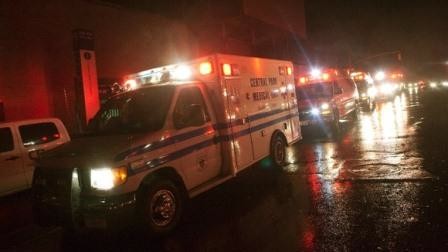
- Does someone meet emergency responders and direct them to the patient?
Those questions test the system surrounding the device.
And that system is what has to work during an actual emergency.
Leadership Takeaway: An AED is most valuable when it is part of a functioning emergency-response plan. Placement, accessibility, training, maintenance and clear responsibility determine whether the device on the wall can actually help when every minute matters.


Be the first to comment on "An AED on the Wall Is Not an Emergency Response Plan"