

SD to CD: What Owners Should Expect During Design
SD, DD and CD aren’t just design phases. Each one should move the owner closer to decisions the project can actually build. Originally published July
SD, DD and CD aren’t just design phases. Each one should move the owner closer to decisions the project can actually build. Originally published July

The construction team can deliver the building and still not own everything required to make it operational. Originally published February 2023. Updated September 2026 to

Once construction begins, the delivery structure affects how the owner sees progress, manages schedule decisions and validates what is being paid for. Originally published February

The contract structure matters more than the label. Owners need to understand when cost becomes known, how design is supported and which risks remain. Originally

The firm may have an impressive résumé. The owner needs to know whether the team assigned to the project does too. Originally published February 2023.

Preconstruction isn’t just work that happens before construction. It’s when cost, schedule, logistics and procurement assumptions can still be tested before they become field problems.

The question isn’t simply which one is better. It’s which project-delivery structure fits the owner, the project and the decisions that need to be made.

Prepare for the Punch List before, during, and after construction.

“The single biggest problem in communication is the illusion that it has taken place” – George Bernard Shaw
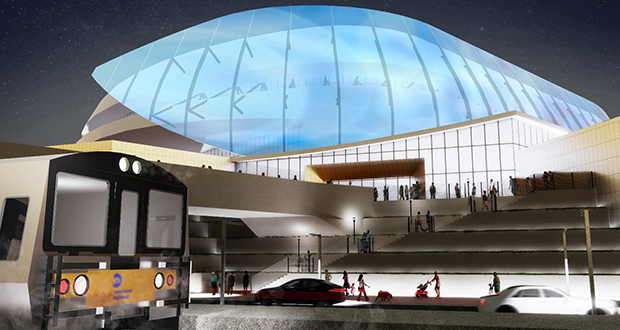
Mixed-use development isn’t created by putting several uses on one site. The real test is whether those uses work together well enough to make people

High ceilings, large floor plates and exposed structure can make an industrial building attractive. They don’t tell you whether it will make a good office,

Square footage may get a building onto the list. Power, clear height, loading, structure, circulation and operating requirements determine whether the business can actually use
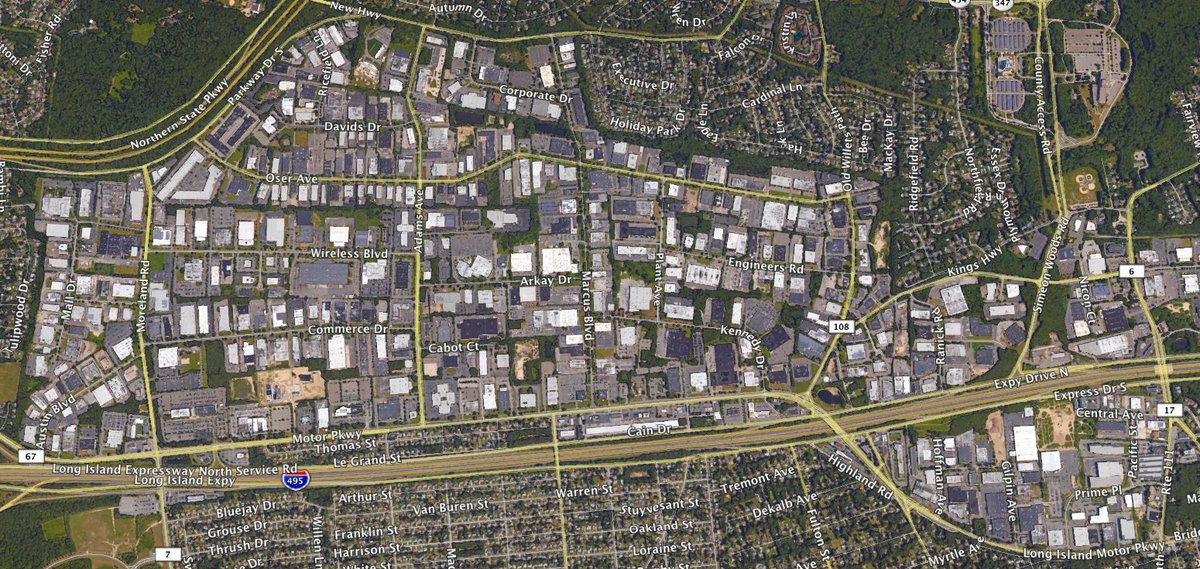
Industrial buildings may still be functional while the surrounding business environment no longer meets what employers, employees and modern operations expect. Originally published in November

The architect is designing it. The contractor is building it. Someone inside the company is attending the meetings. That still doesn’t answer the question. Construction

Facilities should not first discover how a building will operate when the project team is preparing to turn it over. Originally published October 2015. Updated